what is the yellow fungus in mulch Slime mold yellow fungus dog molds spores vomit garden gardenexperiments
Today, I would like to talk about a fascinating topic that you might not have given much thought to before – slime mold. Specifically, I want to delve into the intriguing world of dog vomit slime mold (Fuligo septica) and its presence in mulch. It may not sound pleasant, but trust me, it’s quite fascinating.
The Curious Case of Dog Vomit Slime Mold
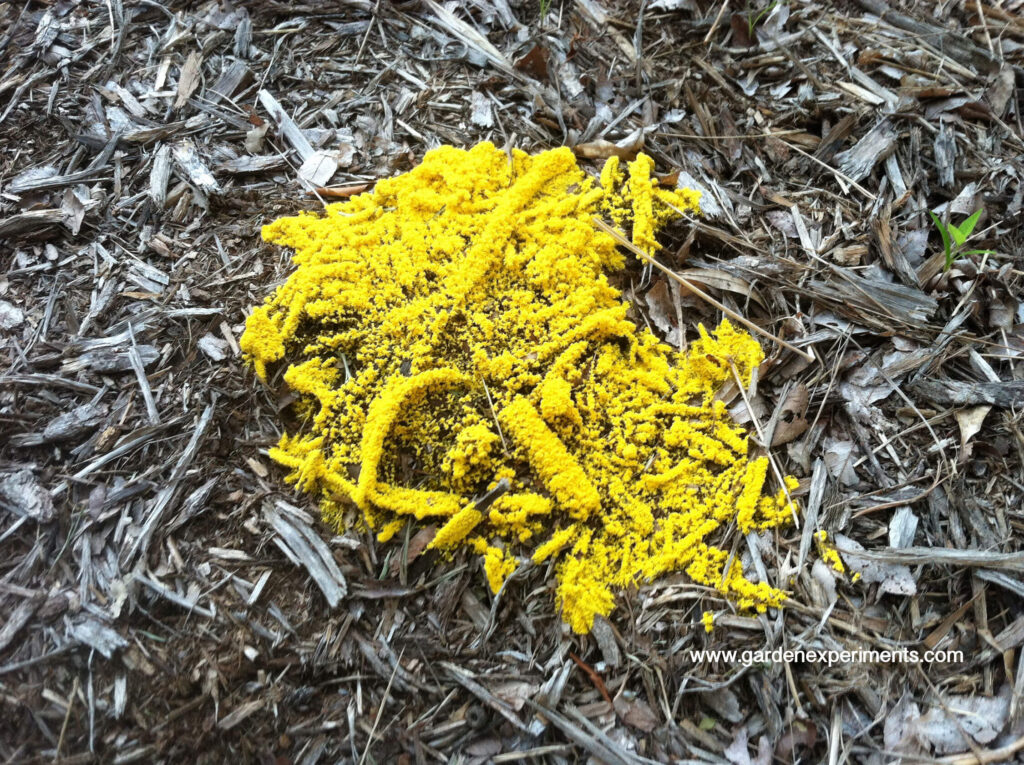
 First and foremost, don’t let the name scare you away. While the name “dog vomit slime mold” may conjure up unappetizing images, this unique organism is actually quite harmless to humans and pets. It gets its name from its appearance, which resembles, you guessed it, dog vomit. Scientifically known as Fuligo septica, this slime mold belongs to the Myxomycetes class.
So, what exactly is a slime mold? Slime molds are not plants, animals, or fungi – they are part of a unique group of organisms with characteristics of both animals and fungi. They are eukaryotic microorganisms that thrive in moist environments, such as decaying wood or, in this case, mulch.
When you come across dog vomit slime mold in your mulch, it can be a surprising sight. It typically appears as a yellowish or orange blob, resembling something that could have come from your furry friend’s stomach. Despite its less-than-pleasant appearance, this slime mold plays an essential role in the ecosystem.
The Role of Dog Vomit Slime Mold in Mulch
Although the sight of dog vomit slime mold may seem alarming, its presence in mulch is actually a sign of a healthy ecosystem. These slime molds feed on bacteria and other microorganisms that break down decaying organic matter, such as wood chips and mulch.
 As the slime mold feeds on the decaying material, it helps to break it down further, contributing to the decomposition process. This, in turn, aids in nutrient cycling and soil health. So, while it may not be the most visually appealing addition to your mulch, this slime mold is performing an important ecological function.
If you find dog vomit slime mold in your mulch, you might be wondering what you should do. The good news is that there is no urgent action required. Slime molds are transient organisms that will naturally disappear over time as they complete their life cycle. Simply remove the visible parts of the slime mold if you find them unsightly, or feel free to leave them be if you’re not bothered by their presence.
The Life Cycle of Dog Vomit Slime Mold
Understanding the life cycle of dog vomit slime mold can further shed light on its fascinating nature. It starts when the slime mold exists as tiny amoeba-like cells, invisible to the naked eye. These cells are present in the environment, lying dormant until conditions are favorable.
When the environment becomes moist, the tiny cells transform and merge into a single, large, and visible mass – the characteristic blob we associate with dog vomit slime mold. This mass then expands and spreads out, stretching across the mulch or other surfaces. During this stage, the slime mold is actively feeding and growing.
Once it has consumed enough organic matter and reached a certain size, the slime mold enters the reproductive stage. Small, spore-containing structures called sporangia develop on the surface of the mass. These sporangia release spores into the surrounding environment, allowing the cycle to continue once the spores find favorable conditions.
It’s important to note that dog vomit slime mold does not cause harm to plants or humans, so there is no need to fret if you come across it in your garden or mulched areas. In fact, many gardeners consider slime molds a natural and beneficial component of the ecosystem.
In conclusion, while the name “dog vomit slime mold” may not be the most appealing, its presence in mulch plays a vital role in nutrient cycling and decomposition. So, if you happen to spot this intriguing slime mold in your garden or mulched areas, take a moment to appreciate its unique nature and the important job it’s doing for your ecosystem.
If you are searching about Backyard landscapes for dogs, outdoor designs edina mn, mulch yellow fungus you’ve came to the right web. We have 5 Images about Backyard landscapes for dogs, outdoor designs edina mn, mulch yellow fungus like What’s Growing in my Mulch? | Uconnladybug’s Blog, Ask the Gardener: You’ve been slimed! | News & Observer and also What’s Growing in my Mulch? | Uconnladybug’s Blog. Here you go:
Backyard Landscapes For Dogs, Outdoor Designs Edina Mn, Mulch Yellow Fungus
 s3.amazonaws.comslime mold mulch yellow fungus garden yard vomit dog pbs lawn front they which molds newshour bag moist when designs
Dog Vomit Slime Mold | Slime Mould, Mulch, Yellow Fungus
www.pinterest.comyellow fungus mulch mold slime
Ask The Gardener: You’ve Been Slimed! | News & Observer
 www.newsobserver.comgarden
What’s Growing In My Mulch? | Uconnladybug’s Blog
uconnladybug.wordpress.comfungus mulch vomit dog growing mold yard edible yellow different bright orange strange pile grows poop slime parts caca completely
Yellow Slime Mold - The Dog Vomit Fungus
 www.gardenexperiments.comslime mold yellow fungus dog molds spores vomit garden gardenexperiments
Fungus mulch vomit dog growing mold yard edible yellow different bright orange strange pile grows poop slime parts caca completely. Ask the gardener: you’ve been slimed!. Dog vomit slime mold